10 Essential Strategies to Enhance Health and Wellness During Aging

Dr. Wen shares ten evidence-based strategies designed to help individuals maintain physical and cognitive health as they age.
Proactive Aging Strategies
Maintaining health during the aging process requires a multifaceted approach involving lifestyle adjustments and medical oversight. Experts suggest that consistent habits can significantly mitigate the physiological decline often associated with advancing years.
Key areas of focus for long-term wellness include:
- Nutritional Optimization: Prioritizing nutrient-dense foods to support metabolic function.
- Physical Activity: Incorporating both aerobic exercise and strength training to preserve muscle mass and bone density.
- Cognitive Engagement: Utilizing mental exercises to support neurological health.
- Sleep Hygiene: Establishing consistent sleep patterns to facilitate bodily repair and cognitive processing.
- Preventative Screenings: Scheduling regular medical checkups to detect potential health issues early.
The Importance of Preventative Care
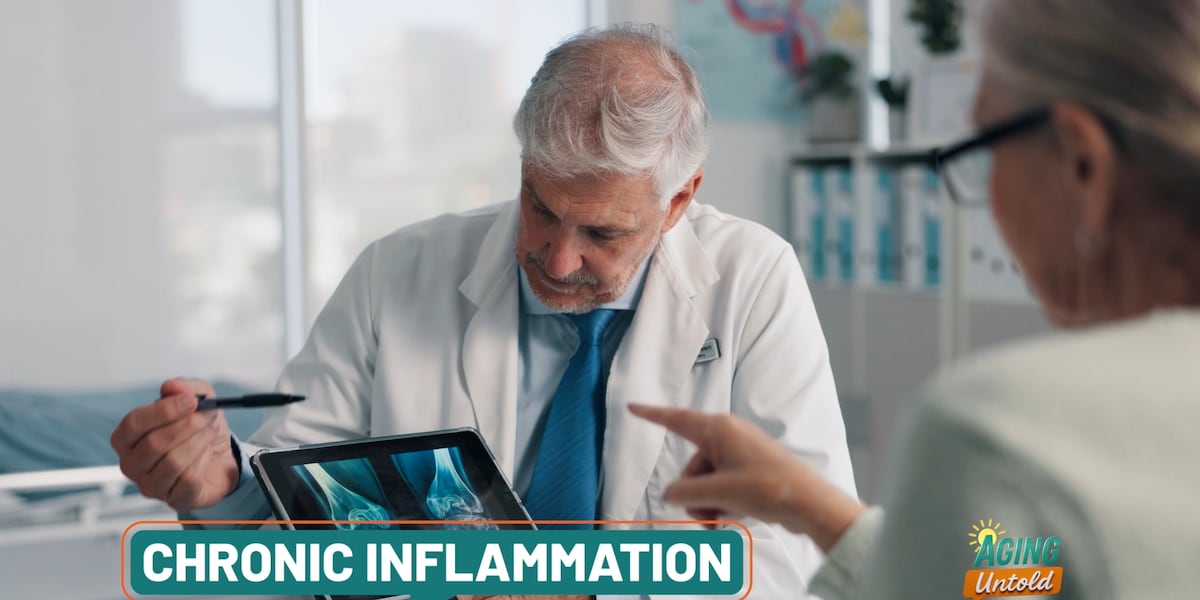
As individuals age, the body's ability to recover from stressors changes. Medical professionals emphasize that proactive management of chronic conditions, such as hypertension or type 2 diabetes, is vital for preventing long-term complications. Regular monitoring of vital signs and blood chemistry provides a baseline for personalized health interventions.
Social connectivity also plays a significant role in geriatric health. Studies indicate that maintaining strong social ties can reduce the risk of cognitive decline and improve overall psychological well-being in older adults.
Navigating Medical Challenges
Navigating the complexities of public health and evolving medical research is essential for informed decision-making. Dr. Wen's research summaries provide insights into recent scientific developments that impact how seniors manage their health and interact with healthcare systems.
Understanding the nuances of new medical findings allows individuals to work more effectively with their physicians. This collaborative approach ensures that treatment plans are based on the most current clinical data and are tailored to the specific needs of the aging population.