Legal Recourse for Victims of Entertainment Venue Fire Tragedies
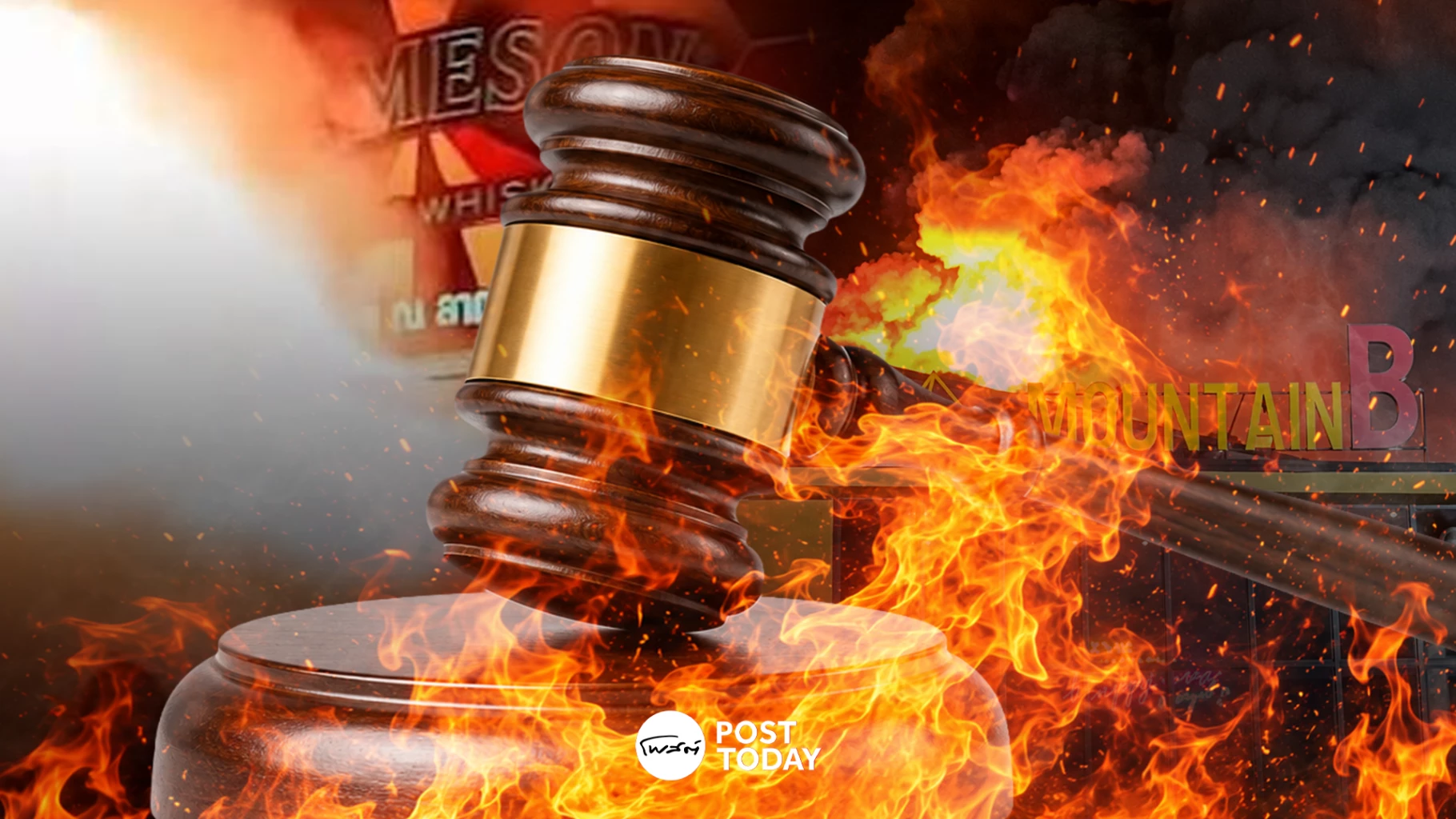
Victims and families affected by entertainment venue fires can seek legal damages from venue owners, management, and state inspectors.
Identifying Liable Parties
When a fire occurs in an entertainment establishment, legal responsibility often falls on multiple entities. Victims and the families of the deceased can pursue civil and criminal action against several key parties involved in the operation and oversight of the venue.
Venue Owners and Operators: Primary liability typically rests with the business owners. They are responsible for ensuring the premises meet safety standards, maintaining functional fire suppression systems, and ensuring all exits are unobstructed and compliant with local building codes.
Management and Employees: Specific individuals within the management structure may face negligence charges if it is proven they ignored safety protocols or failed to implement mandatory emergency procedures. Employees may also be scrutinized regarding their adherence to established safety training.
Regulatory and State Authorities: If investigations reveal that a venue was operating with expired licenses or failed safety inspections, victims may pursue legal action against the government agencies responsible for oversight. This focuses on whether officials failed to enforce existing fire safety laws.
Legal Grounds for Claims
Legal actions following such tragedies generally fall into several categories of negligence and liability:
- Premises Liability: Failure to maintain a safe environment for patrons.
- Negligence: Failure to act with reasonable care to prevent foreseeable harm.
- Regulatory Non-compliance: Operating in violation of specific fire codes or zoning laws.
- Wrongful Death: Claims brought by survivors for the loss of life resulting from preventable safety failures.
Steps for Seeking Justice
The process for seeking compensation and accountability involves several critical phases. Victims should prioritize gathering evidence immediately following the incident.
First, obtaining official investigation reports from the Fire Department and local police is essential. These documents serve as the foundation for proving that safety violations occurred. Medical records and documentation of physical or psychological injuries are also vital for calculating damages.
Second, survivors should consult with legal professionals specializing in personal injury or wrongful death. A lawyer can help navigate the complexities of suing corporate entities and government agencies. This includes filing formal complaints and initiating civil lawsuits to recover costs related to:
- Medical expenses and rehabilitation.
- Loss of income and future earning capacity.
- Funeral and burial costs.
- Pain and suffering.
Finally, criminal proceedings may run parallel to civil litigation. While civil suits aim to provide financial compensation to victims, criminal charges seek to penalize those responsible for negligence through the justice system.