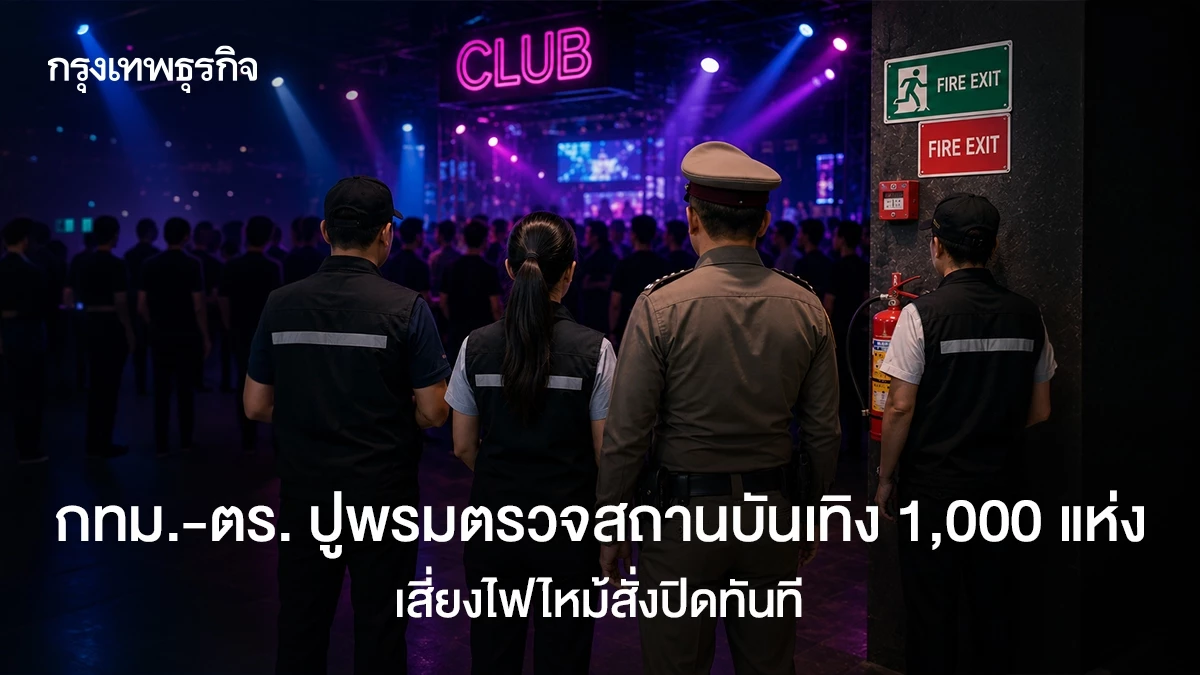
Legal Distinctions Between Entertainment Venues and Restaurants
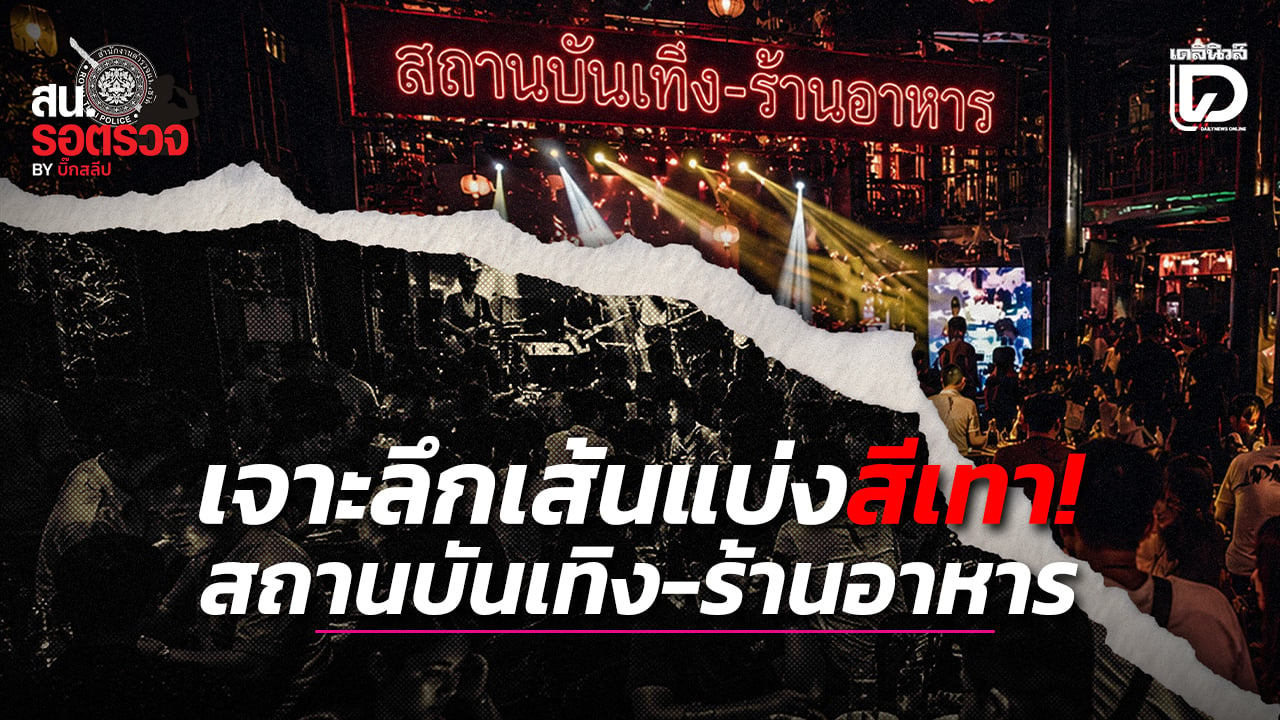
Recent tragedies involving brewery fires have highlighted the legal complexities separating entertainment venues from traditional dining establishments.
The legal distinction between a restaurant and an entertainment venue dictates specific licensing requirements, safety protocols, and operational constraints. This distinction becomes critical when authorities evaluate compliance following industrial accidents or fires in commercial spaces.
Regulatory Framework and Licensing
Operating a business in the hospitality sector requires adherence to specific categories defined by local law. While both restaurants and entertainment venues serve food and beverages, their legal classifications trigger different regulatory oversight:
- Restaurants: Generally focused on dining services with specific food safety and alcohol service permits.
- Entertainment Venues: Subject to stricter zoning laws, noise ordinances, and enhanced fire safety regulations due to live performances or late-night crowds.
Misclassifying a business can lead to significant legal liabilities. If a venue operates as a restaurant but functions as an entertainment lounge, it may lack the necessary permits required for its actual level of public activity.
Safety Implications and Fire Risks
The recent fire at a local brewery has brought these regulatory gray areas into focus. Fire safety standards vary significantly based on how a building is categorized. Entertainment venues often face more rigorous inspections regarding:
- Maximum occupancy limits.
- Emergency exit accessibility and lighting.
- Soundproofing materials and their flammability.
- Presence of specialized fire suppression systems.
Authorities are now examining how business owners navigate these classifications. The goal is to ensure that establishments are not bypasssing safety mandates by operating under less stringent restaurant licenses while providing high-risk entertainment services.
The Impact of Non-Compliance
When the line between a dining establishment and an entertainment club blurs, the consequences of non-compliance can be severe. Beyond the immediate risk to human life during an emergency, businesses face:
- Heavy administrative fines.
- Revocation of liquor and operating licenses.
- Criminal negligence charges in the event of an accident.
Law enforcement and local inspectors are increasing scrutiny on venues that exhibit characteristics of both categories. This movement aims to standardize safety enforcement and ensure all patrons are protected by the appropriate legal and physical safeguards.